UK · UAE · International

UK · UAE · International
How Al Maktoum International Airport is reshaping Dubai South, driving property demand, and creating new opportunities for investors.
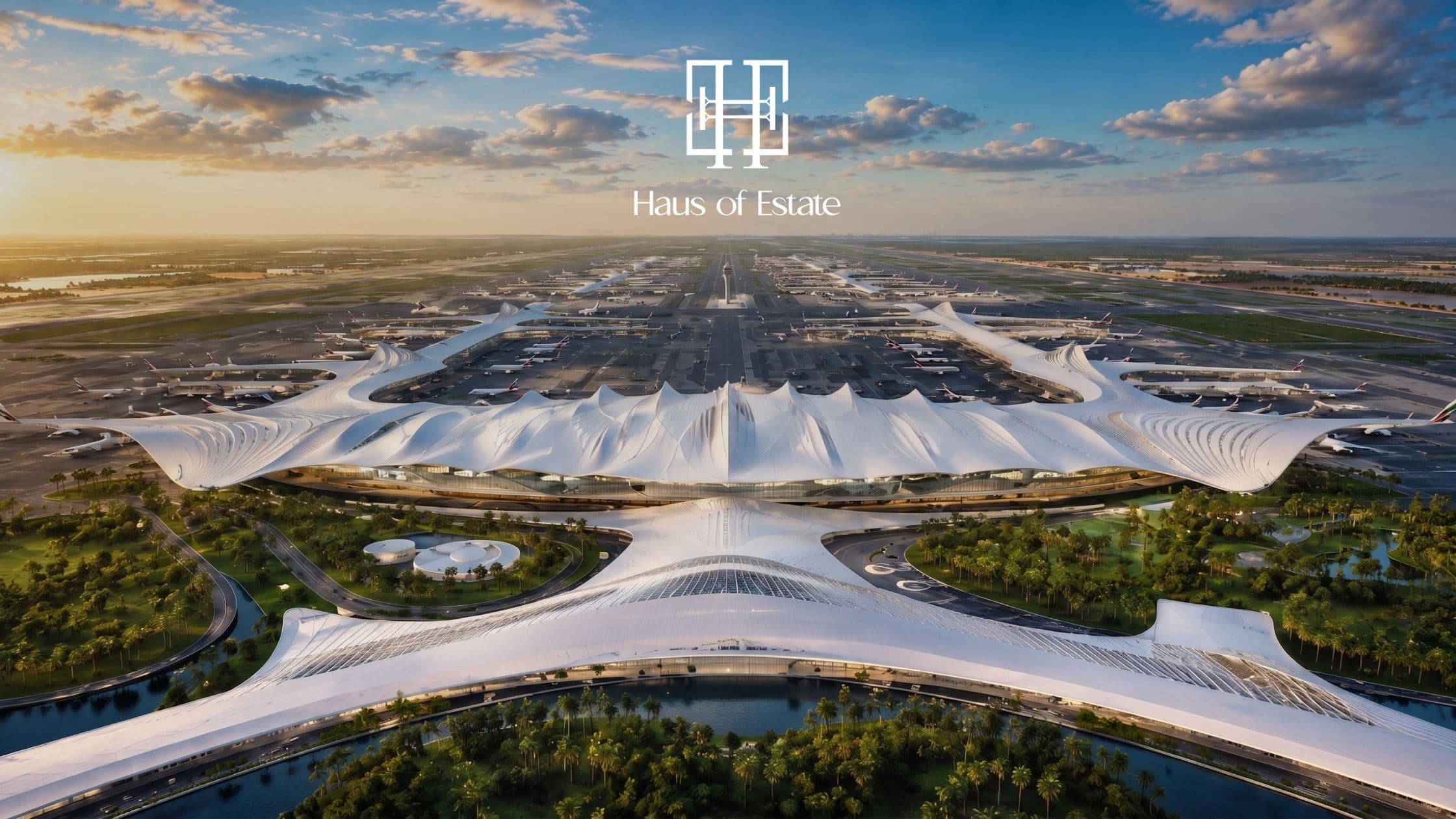
Dubai South is having its “moment” because the Al Maktoum airport expansion cashed a long-term plan into a funded reality and the market is pricing that in rapidly.
What did April change? Let’s take a look
Dubai’s real estate market has long been an open canvas for rapid growth for tech, IT, infrastructure and for years - real estate. The demand for the region's bold infrastructure and transformative mega-projects with few recent developments have reshaped the city’s residential landscape. One of the most notable and recent developments this year in April, is the expansion of Al Maktoum International Airport (DWC).
What was once viewed as a long-term urban reserve is now the epicenter of Dubai’s property boom. When a project of that scale moves from “someday” to “under construction,” property markets react quickly, and most importantly investors start investing hugely. Reports from 2024–2026 already show around a 15% jump in Dubai South property prices following the airport announcement, with entry-level 2-bedrooms that once traded near AED 800k now closer to AED 1.3m in some sub-markets.
In April 2024, Dubai approved an AED 128 billion (about $35 billion) expansion of Al Maktoum International Airport (DWC) in Dubai South, with a first phase targeting 150 million passengers a year by 2032 and a final capacity of up to 260 million. That’s not just a bigger terminal but it’s a shift of the city’s economic gravity southwards, with new jobs in aviation, logistics, hospitality, and related services expected to support up to around one million people through employment and housing over time. Demand across Dubai South and specifically premier communities like Emaar South has skyrocketed.
As a direct result of this massive infrastructural shift, property prices in these districts have surged by 15%, turning sub-million dirham starter units into highly prized investments overnight.
From AED 800,000 to AED 1.3 Million: The numbers behind the hype
The numerical impact of this transformation is striking. Not long ago, entry-level residential units in Dubai South were marketed as some of the most accessible off-plan opportunities in the Emirate.
Recent analyses highlight a few key points:
A typical 2-bedroom apartment (2BR) in communities like Emaar South could be secured for around AED 800,000. As of today, those exact baseline 2BR units are commanding values near AED 1.3 million. So, this 15% jump in direct property capital appreciation compounded by rapid demand in the off-plan and resale markets truly reflects a massive shift in buyer sentiment.
So why Dubai South (and Emaar South) specifically?
Investors and end-users who once looked toward central districts like Downtown Dubai or Dubai Marina are recognizing that the highest growth yields now live in the south. Dubai South is the 145 sq km master district around the airport. Emaar South is one of its most prominent residential communities, developed by Emaar around an 18‑hole golf course. The airport expansion affects the whole corridor, but Emaar South tends to outperform on lifestyle and brand perception.
Investors are effectively paying a small premium for that package, with the thought that end-user demand from airport and Expo City workers is there to thrive and stay strong in the market.
What is driving the Dubai South real estate boom?
Three forces are working together:
How to think about it from an investor’s point of view?
If you bought a 2BR around AED 800k before the big airport push, seeing it reprice near AED 1.3m feels like validation. But for new buyers, the question is less “Did I miss the boat?” and more “Is there still a runway?” Even with the recent 15% jump bringing 2BR units to the AED 1.3M mark, Dubai South still offers compelling relative value. Average price-per-square-foot in this corridor remains notably lower than mature central districts like Downtown or Business Bay, leaving substantial runway for future growth.
Moreover, Emaar South has emerged as the crown jewel of the district. Built around a green, 18-hole championship golf course, Emaar South brings the developer’s proven master-planning blueprint (seen in Dubai Hills Estate and Arabian Ranches) straight to the airport corridor. Investors are paying a premium for Emaar's brand prestige, property management record, and the lifestyle amenities offered as they benefit from lush parks and community clubhouses to top-tier family infrastructure.
With Al Maktoum International Airport set to dominate global aviation and logistics over the next decade, properties in Emaar South and surrounding enclaves are growing lucrative as they are core wealth-building assets. Dubai South is becoming a core part of how Dubai intends to grow and the airport expansion is the engine, but the real story is the jobs, infrastructure, and community that come with it.
Written by